I get two versions of this question. Sometimes it comes from a homeowner who’s curious about who they’re handing their house to. Sometimes it comes from someone who saw a post about AI tools and wants to know what a contractor is doing messing around with that stuff. Fair questions, both of them. I’ll answer them straight.
The Contracting Part
I didn’t start in construction. I’ve been an entrepreneur my whole adult life -- different businesses, different industries, always betting on myself. At some point I found my way to construction and never looked back. I’d always been handy, always paid attention to how things were built. The line between “I do this because I care about it” and “I could build a business around this” got thin enough that I stepped over it.
Getting licensed wasn’t the hard part. The CSLB exam is rigorous, and I took it seriously, but studying for a test is something I know how to do. The harder part was building a reputation from scratch in a market where most homeowners decide who to trust based on word of mouth and track record, and I had neither. So I started small. Did the work right. Let the results speak.
I’m based in Arcadia and I focus on the San Gabriel Valley because this is where I live and where I know people. I know the housing stock here. I know what Arcadia homes were built with in the 1950s and 60s and what that means when you open a wall. I know what homeowners in this part of the SGV care about and what kind of projects actually add value in this market versus what looks good in a magazine but doesn’t make sense in a 1,600-square-foot Arcadia ranch house.
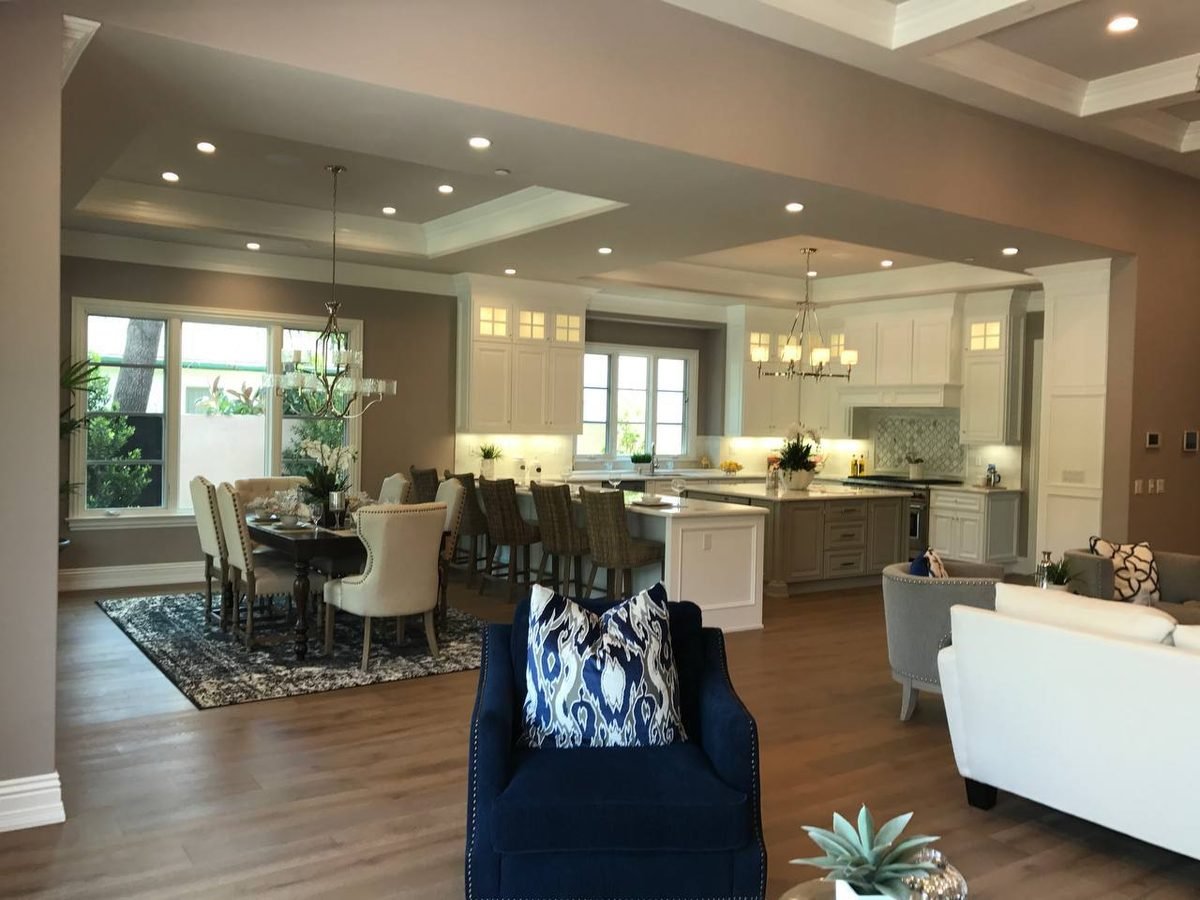
The thing that drives me is the finish. I know that sounds simple, but it’s true. When a kitchen remodel comes together and the tile is set right and the cabinets are level and the countertop sits perfectly and the whole room looks like it was always supposed to look that way, that’s the feeling. That’s what makes all the hard days worth it. The problems, the surprises inside walls, the permit delays, the schedule changes. You go through all of that and then you stand in a finished room and it’s right, and the homeowner sees it for the first time, and that’s the moment.
I’m owner-operated. I’m on every job. That’s not a marketing line. It’s how I work. I’m not managing a crew from a phone in another city. When we’re doing a bathroom renovation in your house, I’m there. That matters to the quality of the work and it matters to me personally. My name is on the license. My reputation is on every project.
CSLB #1150423. Licensed, bonded, insured in California. Minimum project size $10,000 — we do full remodels, not repairs and handyman work. Every project gets a proper contract, proper permits where required, and a real scope of work.
The AI Part
This one surprises people more. A contractor using AI tools to run a business feels like an unexpected combination, but it makes complete sense to me and here’s why.
Running a small contracting business involves a massive amount of work that has nothing to do with swinging a hammer. Writing estimates, following up with leads, maintaining a website, posting content, managing social media, writing blog posts (including this one), keeping track of what needs to go out and when. In a larger company, there are people for all of this. In an owner-operated business, it’s just you, and the administrative overhead can easily swallow the time you should be spending on actual work and actual clients.
I started experimenting with AI tools about a year ago and kept going because they genuinely work. The way I use it: I set up systems so the routine content, communications, and business tasks run on their own, and I spend my time on the things that actually require me. Decisions. Client relationships. Job site presence. The work itself.
This blog runs on a daily pipeline. Every morning, an AI writes a new post, picks a photo, formats the HTML, updates the sitemap, and sends it to me for approval before anything goes live. I review everything. Nothing publishes without my sign-off. The AI does the production work; I do the judgment calls.
The content on this site is bilingual because a significant portion of my clients in Arcadia and the SGV speak Cantonese or Mandarin as a first language, and they deserve to be able to read about their renovation options in their language. Maintaining bilingual content manually would be a significant time investment. With AI, it happens automatically every day. That’s not cheating. That’s using the tools available to serve clients better.
I’m also using AI for estimate drafting support, for research on new materials and building codes, and for writing the kind of detailed job documentation that protects both me and the homeowner. The AI assists with the writing. The knowledge behind it, the judgment about what to specify and why, is still mine.
What This Means for You as a Client
Practically speaking, it means a few things.
First, you get a faster, more consistent communication experience than you’d get from most small contractors. Estimate follow-ups, project summaries, documentation. It moves quickly because I have systems behind it.
Second, you get a business owner who is genuinely interested in the operational side of running a company well, not just the craft side. I care about contracts, timelines, permits, and communication as much as I care about the tile work. Both matter.
Third, and this is the part I want to be honest about: you are still hiring a human contractor with human judgment and human accountability. The AI is an operational tool, like a great scheduling app or a good CRM. It does not make decisions about your project. It does not tell me how to build something. That is still entirely me.
I’ve seen the concern that AI somehow means less personal attention or less craftsmanship. I understand where that comes from, but it misses the point. A contractor who uses good tools is a better contractor, not a less present one. The same way a surgeon who uses the best available equipment is not “less skilled” because they have good tools. Tools are how you do better work. That’s always been true in construction.
Why I’m Writing About This
Partly because people ask, and I’d rather answer it clearly in one place than field variations of the same question. But also because I think there’s a version of this that more owner-operated contractors should be doing, and the stigma around it is not based on reality.
Small businesses that figure out how to use AI tools effectively are going to outcompete the ones that don’t, not by cutting corners, but by having more capacity to do things right. More time for clients. Better documentation. More consistent follow-through. That is what I am building here with Brick by Brick.
If you’re a homeowner in Arcadia, Pasadena, Temple City, or anywhere in the San Gabriel Valley, and you’re thinking about a kitchen remodel, a bathroom renovation, an ADU, or a larger project, I’m the guy who shows up, does the work, and runs a business that takes all of this seriously. That’s the whole pitch. Call me if you want to talk about a project.
For more background on the kind of work we do, read about our approach to kitchen remodeling in Arcadia or our thoughts on smart home upgrades for SGV homes.
繁體中文摘要 — 我為何投身裝修業,以及如何用AI經營公司
很多人問我兩個問題:我為什麼成為承包商?還有,一個建築工人為什麼要用AI工具?讓我直接回答。
我在科技業工作多年後,決定轉換跑道。我一直喜歡動手做事,幫家人朋友修繕、改建,慢慢地「興趣」和「專業」之間的界線就消失了。我正式考取了加州CSLB承包商執照(#1150423),從頭建立聲譽,靠的是把每一個工程做對做好。
我住在阿凱迪亞,主要服務整個聖蓋博谷。我熟悉這裡的舊屋結構,知道在這個市場哪些翻新真正增加房產價值。我專注廚房翻新、浴室改造、住宅增建和ADU工程,每個工地我都親自到場。這不是廣告詞,是我的工作方式。我的名字在執照上,我的聲譽在每個工程裡。
關於AI工具:經營一個小型承包公司,大量時間其實花在與施工無關的行政工作上——估價、客戶跟進、網站更新、內容發佈。我開始用AI系統處理這些日常事務,讓我能把精力放在真正需要我判斷力的地方:決策、客戶關係和現場施工品質。
這個網站的每日部落格文章,包括您現在閱讀的這篇,都是由AI協助生成,但我在每篇發佈前都會親自審核。中英雙語內容讓廣東話和普通話屋主也能清楚了解自己的裝修選項。AI負責生產性工作,我負責所有判斷決策。
對您作為屋主來說,這意味著溝通更快、文件更清晰,以及一個把運營和工藝同樣認真對待的承包商。
如果您在阿凱迪亞或聖蓋博谷有廚房、浴室或其他裝修計劃,歡迎聯絡:(626) 244-6104。我們提供中英雙語服務。
Thinking About a Project in the SGV?
Free estimates for homeowners in Arcadia, Pasadena, Temple City, and across the San Gabriel Valley. Owner on every job. Transparent pricing, no surprises. Call (626) 244-6104 or reach out here. CSLB #1150423.