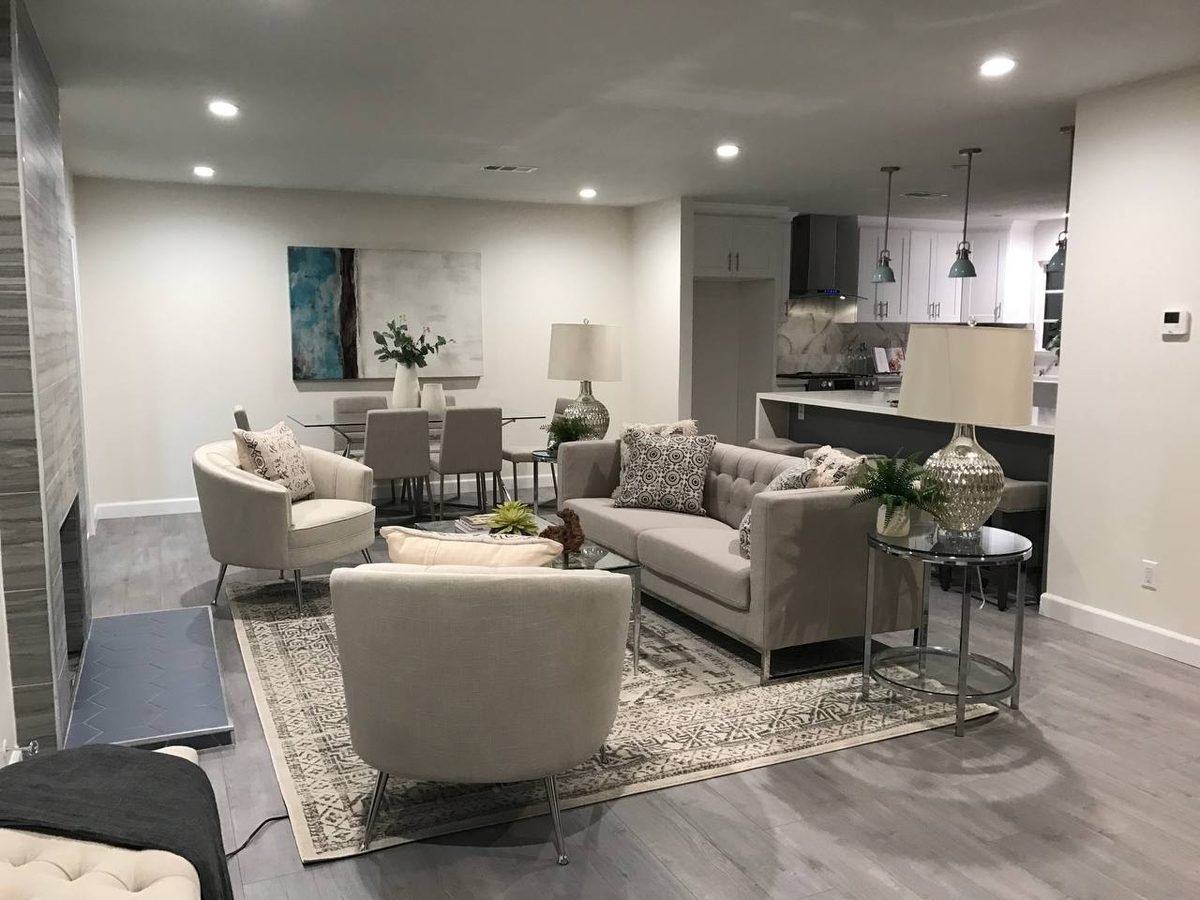
Every week I talk to homeowners in Arcadia and across the SGV who've either started a remodel the wrong way or are about to. Not because they weren't careful. Because nobody walked them through what actually matters before a single cabinet gets pulled or a permit gets filed.
This is that walkthrough. Straight from a general contractor who's been through this with a lot of families in the 626.
Permits aren't optional. They protect you.
This is the one I hear the most pushback on. "My neighbor did it without a permit and it was fine." Maybe. But unpermitted work is a liability that follows the house. When you sell, a sharp buyer's inspector will flag it. Your insurance can deny claims on unpermitted work. And if something goes wrong, you're holding the bag. In Arcadia and most SGV cities, kitchen remodels that involve electrical, plumbing, or structural changes require permits. A licensed GC knows exactly what triggers one. Ask before you assume.
The bid is not the budget. Add 15–20%.
Every single remodel I've done has had something unexpected once we open walls. Older SGV homes especially, built in the 50s through 80s, often have galvanized plumbing, knob-and-tube wiring remnants, or framing that doesn't match the plans. A realistic budget factors in a contingency from day one. If you're bidding at $40,000, plan to have $46,000–$48,000 available. Homeowners who don't have that buffer end up making mid-project decisions under pressure, and that's when corners get cut.
The cheapest bid is usually a warning sign.
I know that sounds self-serving, but it's true. When one bid comes in 30–40% lower than the others, something is off. The contractor may be planning to cut corners on materials, underpaying their subs, or leaving out scope that everyone else included. Get at least three bids and ask each contractor to break down what's in their price. A good contractor can explain every line item. If they can't, that's your answer.
Quick tip: Ask each bidder: "What's included in demolition and disposal?" and "Who pulls the permit?" If they hesitate on either, move on.
Check the CSLB before you sign anything.
California's Contractors State License Board (cslb.ca.gov) lets you look up any contractor's license in 30 seconds. You want to see: active license, correct license class, no disciplinary actions. Our license is CSLB #1150423, and I encourage every homeowner to look it up. Any contractor who gets weird about this is a red flag. Unlicensed contractors leave you with zero legal recourse if something goes wrong.
Scope creep will happen. Control it from the start.
Scope creep is when a $30,000 kitchen remodel slowly becomes $45,000 because you kept adding things. New appliances. A different backsplash. Pendant lights you saw on Instagram. None of those things are bad choices, but they need to be made before the project starts, not mid-construction when everything costs 25% more and slows the job down. Finalize your materials, fixtures, and decisions before demo day. Once the walls are open, change orders are expensive.
Lead times for materials are real. Plan weeks, not days.
In the post-COVID supply chain world, material lead times are still unpredictable. Custom cabinetry in the SGV is often 6–10 weeks out. Tile from overseas suppliers can run 4–8 weeks. Windows and doors are frequently on backorder. If you start demo before your materials are confirmed and on the way, you'll be living in a gutted kitchen for weeks. A good GC will help you sequence material orders so the job flows without holding patterns.
Water damage hides in the walls you're about to open.
This comes up so often it's almost a cliche, but it's worth repeating. Especially in bathrooms and kitchens, we regularly open walls and find damage that was invisible from the outside. Old leak around a shower pan. Slow drip behind the dishwasher. Subfloor rot that started from a 10-year-old toilet wax ring failure. You can't know for sure until you're in there, which is why that contingency budget from tip #2 matters. Learn the early signs of water damage before your contractor does the discovery for you.
Payment schedule = leverage. Use it.
Never pay more than 10% or $1,000 (whichever is less) upfront by California law. After that, payments should be tied to milestones: rough-in complete, inspection passed, cabinets installed, final walkthrough. Never pay ahead of work. If a contractor asks for 50% up front before anything starts, walk away. The right contractor has enough cash flow to start a job properly without taking your money first.
California law: Contractors cannot legally require a deposit exceeding 10% of the total price or $1,000, whichever is less. Anyone who demands more upfront is violating state law.
The project will affect your daily life more than you expect.
This sounds obvious but people consistently underestimate it. A kitchen remodel means no cooking for 4–8 weeks. A primary bathroom remodel means using a guest bathroom every morning. A whole-house renovation means noise, dust, strangers in your home, and schedules that shift. Talk to your contractor about the realistic timeline and what daily life looks like during the project. Families with kids and elderly parents need to plan this carefully. Make arrangements before demo starts, not after.
Communication is part of the job. Expect it.
A good contractor communicates proactively. You shouldn't have to chase updates. Before signing, ask: How will you communicate with me during the project? Who is my day-to-day contact? How quickly will you respond to questions? The answer tells you a lot about how the project will run. I text or call every client whenever something significant happens, positive or negative. That's just how it should work.
None of these are secrets. But they're the things that separate homeowners who come out of a remodel feeling good about it from the ones who have stories to tell at neighborhood BBQs about what went wrong.
If you're planning a kitchen, bathroom, ADU, or addition in Arcadia or anywhere in the SGV, we're happy to walk through your project at no cost. No pressure, no pitch. Just a straight conversation about what it takes to do it right.
Read more: ADU permits in Arcadia and home inspection checklist before you buy.
Ready to Plan Your Remodel?
We offer free estimates for homeowners in Arcadia and the San Gabriel Valley. Owner on every project. Transparent pricing, no surprises.
Call (626) 244-6104 or send us a message. CSLB #1150423.
中文摘要(繁體)
準備在亞凱迪亞或聖蓋博谷進行裝修?以下十件事,是每位屋主在動工前必須了解的,許多承包商不會主動告訴你,但這些細節可能決定裝修是否順利完成。
1. 施工許可非選項,而是保護。 未申請許可的工程在賣屋時會帶來麻煩,保險也可能拒賠。廚房和浴室翻修涉及水電或結構時,亞凱迪亞市通常都需要申請許可。
2. 報價不等於預算,請多備15至20%應急金。 舊屋牆壁內往往藏有舊管線或受損結構,打開後才知道實況。提前準備應急資金,才不會在施工中途被迫做出倉促決定。
3. 最低報價往往是警訊。 若某個報價比其他便宜三至四成,請仔細追問每一項目的費用組成。好的承包商能清楚解釋每一筆費用。
4. 簽約前先查CSLB牌照。 上 cslb.ca.gov 查詢承包商執照是否有效、類別是否符合,有無違規記錄。我們的牌照號碼是 CSLB #1150423,歡迎查詢。
5. 工程範圍要在開工前確定,避免追加費用。 施工中途改動設計或增加項目,費用會比預先規劃高出許多,也會拖延工期。
6. 材料到貨有前置期,要提前訂購。 訂製廚櫃可能需要六至十周;進口瓷磚也要四至八周。先確認材料在途,再開始拆除工程。
7. 牆壁打開後可能發現滲水。 廚房和浴室尤其常見,老舊管線滲漏或地板腐爛都可能在施工後才發現。
8. 付款進度是保障,要按工程節點付款。 加州法律規定,首付款不得超過工程總額的10%或1,000美元(取較低者)。不可預付大額定金。
9. 施工期間對日常生活影響比預期大。 廚房翻修期間可能四至八周無法正常使用廚房,請提前安排日常起居。
10. 好的承包商會主動溝通。 不需要你追問,有重要進展他們就會告訴你。溝通方式和頻率,在簽約前應該問清楚。
我們提供亞凱迪亞及聖蓋博谷免費估價,我們提供中英雙語服務。致電 (626) 244-6104 預約。